

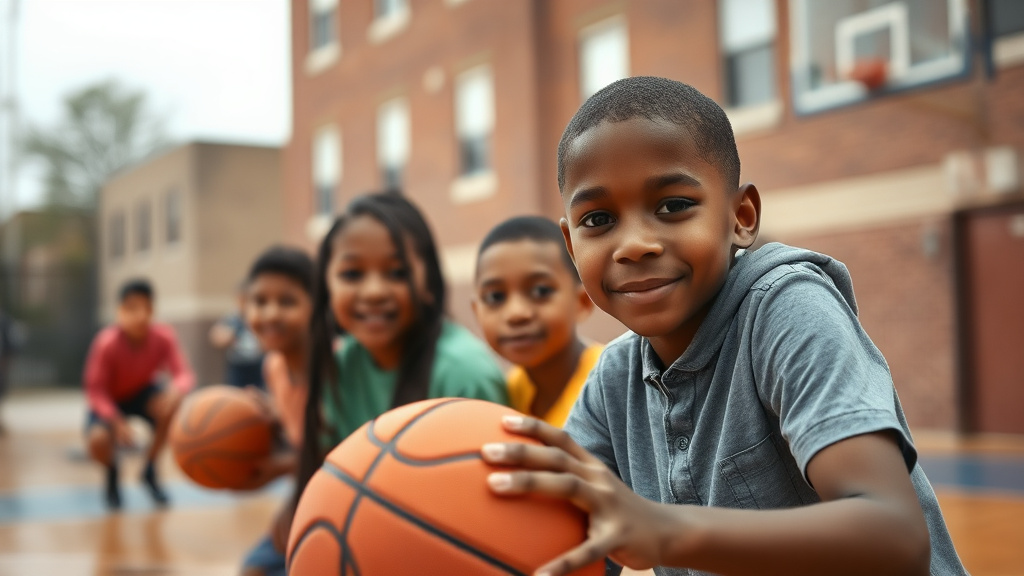
Across America, young athlete basketball initiatives are dismantling barriers and transforming lives in underserved neighborhoods. Beyond instructing shooting techniques and defensive fundamentals, these programs provide safe spaces, mentorship, and access to opportunities for many young players who might otherwise miss out on formal sports opportunities. From metropolitan regions to small towns, athletic leaders and groups are leveraging the power of basketball to strengthen belief in themselves, foster teamwork, and drive meaningful impact. Discover how these developing efforts are creating equal opportunities and motivating young athletes.
Rising Need of Local Basketball Initiatives
Bridging the Access Divide
Underserved communities across America face significant barriers when it comes to young athlete opportunities. Many neighborhoods have insufficient funding for school sports programs, which leaves young people without organized channels for their talents and energy. Basketball, as the most accessible sports requiring just a ball, has become a critical tool for closing the divide. Local nonprofits and community groups recognize that providing free or low-cost basketball programs can profoundly impact young people’s growth and health in underserved areas.
The Larger Social Impact
Beyond the physical advantages of athletic participation, youth basketball programs serve as anchors for social stability and social cohesion. These programs establish secure environments where youth can build relationships with constructive mentors and mentors. Research regularly demonstrates that organized athletic initiatives decrease participation in crime and substance abuse while enhancing educational outcomes. By supporting basketball programs, communities are making strategic investments in their young people’s potential and the overall health of their neighborhoods.
Financial Obstacles and Systemic Challenges
The price of participating in organized youth sports grows steadily, making traditional athletic opportunities harder to access for low-income families. Registration fees, gear acquisitions, travel fees, and coaching expenses create formidable obstacles for families already facing hardship with basic necessities. In low-income areas, these economic barriers effectively exclude talented young athletes from competitive opportunities. Community basketball programs tackle this problem by reducing financial hurdles and ensuring that potential remains untapped by circumstance rather than cultivated through proper support.
Increasing Demand for Programs That Include Everyone
As understanding of educational and social inequities increases, demand for inclusive youth basketball programs has grown substantially across America. Parents, educators, and community leaders more and more understand that access to quality athletic programming should not depend on family income or neighborhood zip code. This increasing trend has fostered alliances between schools, nonprofits, government agencies, and private organizations. Together, they are building forward-thinking solutions to expand basketball opportunities, demonstrating that with unified effort and adequate resources, equitable access to youth sports is achievable for all communities.
Efforts Creating Genuine Impact
Youth basketball efforts across America are showing tangible results in underserved communities through integrated support networks. These efforts transcend court instruction, delivering educational support, mental health resources, and professional development support alongside athletic development. Organizations document substantial progress in academic engagement, completion percentages, and college enrollment among participants. The comprehensive strategy addresses systemic barriers while cultivating strong youth possessing skills for lifelong success. Communities observing these shifts are sensing revitalized confidence and measurable gains.
Achievements across Major Cities
In Los Angeles, a grassroots basketball initiative has served over fifteen thousand youth since its inception, creating pathways from underserved neighborhoods directly into university athletic programs and professional opportunities. The program’s commitment to strong academics alongside sports training has achieved a ninety-two percent high school graduation rate among participants, substantially surpassing national standards. Coaches serve as guides and champions, delivering support that transcends the basketball court into personal development and essential competencies.
Chicago’s urban basketball leagues have transformed neighborhood recreation centers into vibrant community hubs where youth gain a sense of community and direction. Participants receive weight training equipment, nutritional guidance, and athletic health services not formerly accessible in their neighborhoods. The program’s educational funding has enabled numerous gifted students to attend quality schools and universities, overcoming barriers to advancement. Success stories include former participants now coaching younger generations, developing lasting neighborhood leaders.
- Ninety-two percent secondary education graduation rate across participants
- Fifteen thousand young people supported since program inception
- Hundreds of scholarship awards provided annually
- Program alumni currently coaching the next generation
- Comprehensive access to athletic medicine and nutritional support
These achievement examples reflect the significant promise of properly equipped, community-centered basketball programs. When organizations integrate athletic training with educational assistance and guidance, young people from underprivileged backgrounds attain remarkable outcomes. The ripple effects spread throughout families and neighborhoods, encouraging siblings and peers to follow similar paths. These programs illustrate that possibility, not talent, is often the limiting factor in youth development, and when access expands, communities prosper.
Current Hurdles and Prospective Opportunities
Financial and Resource Limitations
Despite their impressive expansion, youth basketball programs in underprivileged communities face significant funding challenges. Many organizations work with restricted funding, having difficulty preserving facilities, obtain necessary equipment, and retain qualified coaches. Grant funding remains inconsistent, and commercial sponsorships predominantly go to programs in wealthy communities. Resolving funding gaps requires innovative fundraising strategies, increased government support, and corporate partnerships committed to local advancement and equality efforts.
Infrastructure shortcomings compound funding issues, as many underserved communities are missing adequate basketball courts and practice spaces. Schools in low-income areas often lack the resources for upkeep or upgrades, limiting program expansion. Public recreation centers face budget cuts, reducing available resources for young people’s initiatives. Strategic investments in community infrastructure, alongside collaborative partnerships between public and private sectors, can bridge these gaps and create sustainable facilities that function as cornerstones for young people’s growth and community engagement.
Environmental Responsibility and Long-Term Impact
Ensuring long-term sustainability of basketball programs requires developing detailed strategies beyond initial funding. Programs must build local leadership, prepare community coaches, and set up mentorship pipelines that build self-sustaining ecosystems. Establishing endowments and obtaining long-term funding commitments ensures stability for program development. Additionally, tracking measurable outcomes—student completion, higher education opportunities, and community involvement—demonstrates value and draws continued investment from key partners and funders.
Moving forward, youth basketball programs offer significant promise to transform underprivileged communities. Increasing availability to skilled instruction, advanced training facilities, and tournament experiences can unlock talent and create pathways to higher education and career advancement. Digital tools, virtual coaching resources, and financial aid initiatives can improve reach. With ongoing dedication from teaching professionals, local advocates, and government officials, basketball programs will continue breaking barriers and empowering youth across America for generations to come.
