

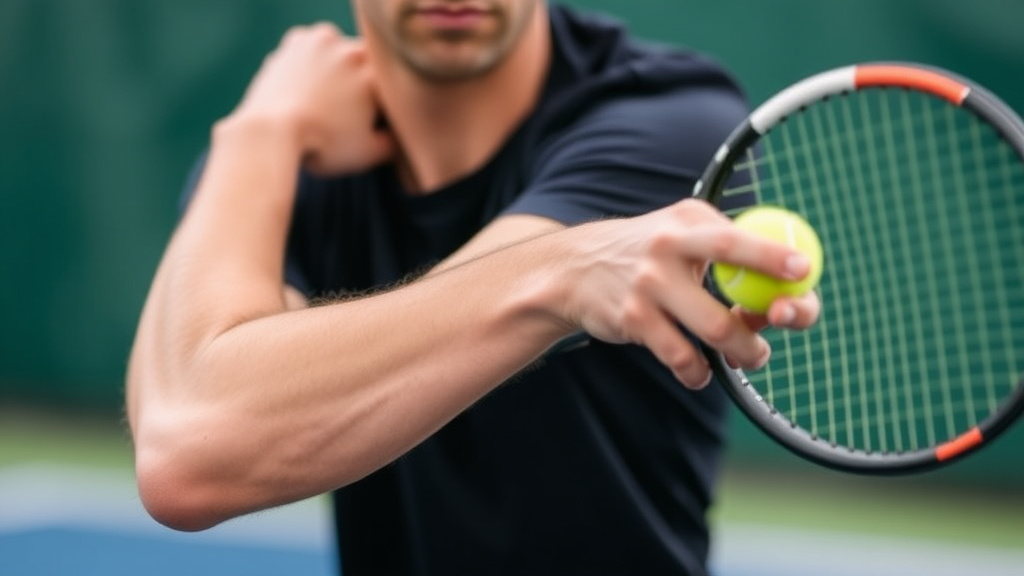
Tennis elbow, or lateral epicondylitis, troubles amateur athletes across racquet sports and beyond, undermining their passion for the game. This debilitating injury shows no favoritism—it strikes casual players and recreational players with comparable severity. But here’s the positive takeaway: tennis elbow is highly preventable. In this article, we’ll explore established prevention methods that support player health and continued participation, from proper technique and equipment selection to focused workouts and recuperation strategies that extend your time in the sport.
Comprehending Tennis Elbow and Its Impact
Tennis elbow, medically termed lateral epicondylitis, is an overuse injury impacting the tendons on the outer side of the elbow. This condition occurs when constant gripping, twisting, and striking movements produce micro-tears in the extensor carpi radialis brevis muscle. Amateur athletes often downplay the seriousness of early symptoms, confusing mild discomfort for typical post-competition soreness. Grasping the biomechanics behind tennis elbow is vital for identifying warning signs before they escalate into chronic pain that sidelines you from competition.
The impact of tennis elbow reaches well beyond physical discomfort. Athletes dealing with this injury often deal with reduced performance, restricted court time, and difficult healing periods that may extend weeks or months. Beyond the court, routine activities like gripping a coffee cup or opening doors become painful challenges. The emotional burden of losing tournament opportunities and practice time can lower enthusiasm and love for the game. Prompt treatment and prevention strategies are vital to maintaining your athletic longevity and maintaining your enjoyment of playing.
Key Defensive Strategies for Recreational Players
Preventing far more efficient than therapy when it comes to tennis elbow. Amateur players must implement a proactive approach by utilizing evidence-based strategies that minimize injury risk. Understanding the fundamental causes—repetitive stress, improper technique, and insufficient rest—allows athletes to take educated steps about their training and play. By embracing preventive measures now, you’ll enjoy years of tennis free from pain and recreational activities without the limitations that tennis elbow imposes.
Proper Technique and Form
Mastering correct stroke mechanics is the cornerstone of preventing tennis elbow. Many amateur players develop bad habits that create excessive tension on the forearm muscles. Focus on keeping your elbow close to your body during groundstrokes, keeping a steady wrist position, and producing power from your legs and core rather than your arm. Professional instruction can detect and fix technique flaws before they cause injury, making professional coaching valuable for committed amateur players.
Regular practice of correct technique reduces movement compensation that strain vulnerable tissues. During service motions, make sure your elbow attains shoulder height and completes the motion smoothly without abrupt movements. For backhand strokes, use a eastern or continental grip rather than western grip styles that increase wrist stress. Periodic video review of your technique helps reinforce healthy patterns and catches developing problems in advance, protecting your ongoing competitive ability.
Tool Assessment
Choosing the right equipment greatly affects preventing injuries for recreational players. Racquet weight, grip size, and string tension have a major impact on stress on your elbow joint. Racquets with less weight minimize arm fatigue and impact shock, while correct grip sizing ensures optimal control without excessive muscle tension. String tension should be moderate in level—typically 50-60 pounds—as overly tight strings send more vibration to your arm, increasing injury risk during off-center hits.
Purchasing proper athletic shoes and stability-enhancing shoes improves movement efficiency and reduces elbow strain from compensation. Tennis elbow straps offer extra stability by redirecting force away from the tender attachment area. Explore padded overgrips or breathable compounds that boost grip and comfort. Updating old rackets and strings frequently preserves ideal performance levels that shield your arm from undue tension and chronic overuse.
Recovery and Long-Term Maintenance
Once tennis elbow occurs, adequate healing becomes essential for returning to the sport safely. Rest is fundamental, allowing inflammation to subside and tissues to recover on their own. Combining rest with ice therapy reduces swelling effectively in the early stages. Therapeutic exercises accelerates recovery by building up weakened muscle groups and restoring flexibility. Most amateur athletes return to pain-free activity in a matter of weeks by following professional guidance and avoiding premature overuse that could extend the healing time.
Long-term care reduces tennis elbow reoccurrence and allows amateur athletes performing long-term. Adherence to preventive exercises remains crucial following full recovery, as muscles lose strength without continued attention. Routine stretching programs maintain flexibility and decrease tension on the outer elbow. Managing playing time and slowly building intensity safeguards against repeat injury. Staying attuned to initial symptoms enables prompt intervention, preventing minor pain from progressing to chronic conditions that sideline dedicated athletes.
- Complete eccentric strengthening exercises three times per week consistently
- Apply ice after activity to manage inflammation properly
- Stretch forearm muscles daily for optimal flexibility maintenance
- Use appropriate technique throughout all sports and activities
- Arrange routine physical therapy evaluations annually as a preventive measure
