

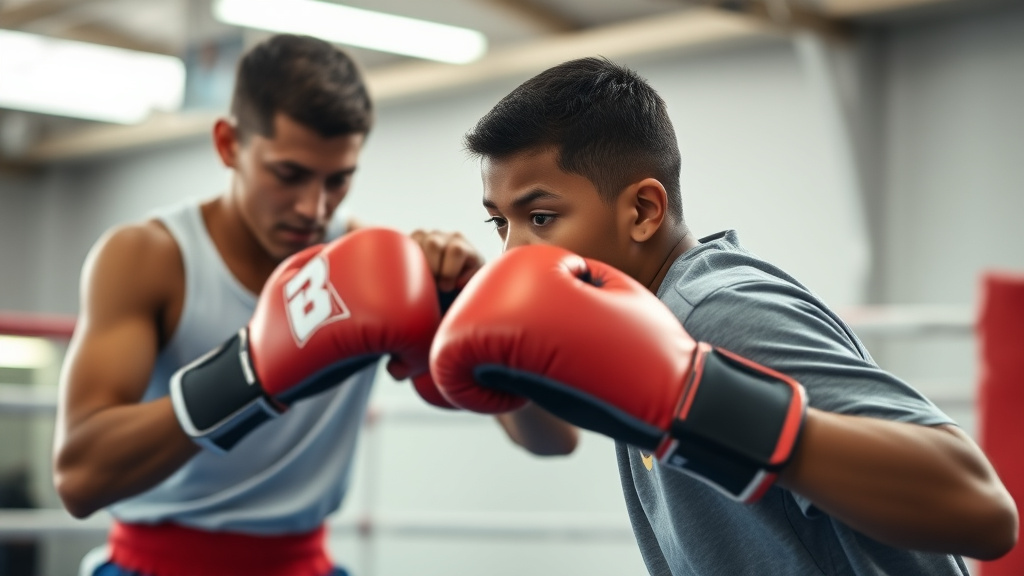
Every year, thousands of young people step into boxing rings seeking more than just athletic achievement. Amateur boxing programs have developed into powerful catalysts for personal transformation, offering at-risk youth a organized route toward confidence, resilience, and self-discipline. Beyond the physical conditioning and combat skills, these programs teach crucial life lessons that extend far beyond the ring. This article investigates how boxing gyms across the country are transforming lives, building champions, and proving that sometimes the most meaningful wins happen away from the ring.
Cultivating Character Through the Ring
Amateur boxing programs operate as formative spaces where young people cultivate fundamental personal qualities that shape their futures. Within the organized setting of a boxing gym, participants master discipline through demanding training schedules, punctuality, and focus on getting better. Coaches stress respect, honesty, and determination, instructing youth that accomplishment needs commitment and effort. These core principles transcend athletic pursuits, influencing academic performance, professional conduct, and personal relationships. The support given by veteran instructors creates positive role models who guide adolescents through key growth stages, demonstrating that personal growth is equally vital to physical conditioning.
The boxing ring itself transforms into a classroom where young athletes confront their fears and limitations directly. Each training bout teaches key lessons about resilience, as participants experience setbacks and learn to bounce back them. This direct exposure with failure and perseverance develops mental toughness that proves invaluable throughout the challenges of life. Youth learn that obstacles are temporary and surmountable through effort and determination. The direct feedback from training—where effort directly connects with improvement—reinforces the link between personal responsibility and outcomes, enabling young boxers to take control of their destinies.
Confidence develops organically from the progressive achievements within youth boxing initiatives. As youth develop core abilities, win matches, and overcome personal goals, their confidence builds markedly. This confidence influences other aspects of life, including school involvement, social interactions, and professional goals. Young boxers cultivate feelings of achievement that opposes negative self-perceptions and societal limitations. The inclusive atmosphere within training facilities celebrates individual progress, irrespective of background or socioeconomic status, creating supportive settings where every participant feels valued and capable of achieving greatness.
Self-discipline developed via boxing extends to all areas of life, including nutrition, sleep, and academic responsibilities. Coaches instruct young people that top-level achievement requires complete devotion to healthy choices. Participants master the skill of regulate impulses, resist instant satisfaction, and prioritize long-term goals over instant gratification. This capacity for self-control becomes essential for educational performance and steering clear of negative conduct. The structured routine of training schedules builds constructive patterns that eliminate destructive habits, delivering structure and fulfillment for young people looking for purpose in their lives.
Honor stands at the heart of boxing culture, emphasizing honor toward opponents, coaches, and fellow athletes. Young boxers discover that true strength involves humility and appreciation of others’ abilities. This respect applies to authority figures and community members, minimizing disciplinary problems and enhancing social relationships. The time-honored principles embedded in boxing—politeness, integrity, and sportsmanship—help youth develop responsible community members. These moral principles build a moral compass guiding decisions throughout their lives, encouraging prosocial behavior and genuine human connection.
Emotional regulation becomes a essential skill cultivated via boxing’s demanding physical and psychological demands. Youth develop the ability to manage anxiety, anger, and frustration through structured practice environments. Coaches teach breathing techniques, visualization, and psychological approaches that help participants navigate stress successfully. This emotional awareness proves invaluable during adolescence, a period marked by significant psychological challenges. By cultivating healthy coping mechanisms within the gym, young boxers are better equipped to handle life’s pressures without turning to destructive behaviors, establishing pathways toward mental health and emotional stability.
Physical and Mental Health Benefits
Amateur boxing programs provide comprehensive health improvements that surpass traditional fitness routines. Participants experience substantial heart and lung improvements, muscular development, and psychological resilience through dedicated workouts. The rigorous boxing workouts develops the entire body while simultaneously fostering mental toughness, emotional regulation, and stress relief skills. Young boxers build healthier habits, improved sleep patterns, and greater stamina. These integrated wellness advantages create a foundation for lasting health and personal growth that enhances lives.
Cardiovascular Fitness and Muscle Building
Boxing training delivers one of the most effective cardiovascular workouts available, rivaling or exceeding traditional gym routines. High-intensity interval training during pad work and sparring drills significantly enhances heart health, lung capacity, and overall aerobic endurance. Young athletes build explosive strength, improved agility, and superior coordination through repetitive boxing movements. The demanding nature of training sessions burns significant calories while building lean muscle mass throughout the entire body. Participants frequently note increased stamina, better physical conditioning, and enhanced athletic performance across all sports.
Strength building in boxing extends beyond visible muscle growth to include functional, practical power applicable to daily life. Boxers develop their core, legs, shoulders, and arms through specialized exercises and combat techniques. Resistance training paired with bodyweight exercises produces balanced muscular development and injury prevention. Young athletes develop self-assurance from their physical transformation and newfound strength capabilities. This tangible physical progress drives continued commitment to training and healthy lifestyle choices that improve overall wellness.
- Improved heart endurance and heart health
- Increased muscle strength and physical power
- Increased agility, coordination, and athletic performance
- Increased calorie burning and weight management
- Better posture, flexibility, and injury prevention
The combination of aerobic exercise and resistance work in boxing produces complete bodily advancement unmatched by programs focused on single aspects. Young practitioners witness quick progress in their bodily functions, which directly translates to enhanced self-assurance and drive. These visible results support ongoing engagement and commitment to upholding wellness routines. The structured progression of boxing workouts guarantees constant stimulus and progress, avoiding stagnation and keeping motivation. Physical transformation serves as a strong driver for greater overall advancement and self-accomplishment.
Community Influence and Future Opportunities
Developing Stronger Social Groups By Way Of Boxing
Amateur boxing programs have turned into vital neighborhood pillars, delivering safe spaces where young people can improve physically and mentally. These gyms serve as symbols of opportunity in underserved neighborhoods, delivering affordable training and mentorship that might otherwise be inaccessible. By supporting adolescent advancement, boxing organizations build up entire communities, reducing crime rates and creating positive community bonds. The broader impact reach further than individual participants to families and neighborhoods that witness transformative change firsthand.
The social infrastructure established through boxing programs fills key shortfalls in young people’s services. Coaches function as dependable role models, providing direction on schooling, professional development, and major life choices. Social connections built within the boxing gym create accountability and support systems that allow adolescents to manage difficulties. These community-centered approaches demonstrate that boxing is more than sport—it’s a comprehensive intervention strategy that builds social capital and reinforces community ties.
Increasing Possibilities and Sustained Expansion
The future of amateur boxing programs looks promising as organizations expand their reach and impact. Enhanced financial support and corporate partnerships allow gyms to offer upgraded equipment, professional coaching, and competitive opportunities. Many programs now combine technology, mental health resources, and learning initiatives, creating well-rounded advancement environments. These innovations position boxing as a premier youth development model, drawing interest from policymakers and community leaders looking for evidence-based solutions.
Emerging possibilities include scholarship programs, professional development pathways, and worldwide competitive opportunities for talented young boxers. Organizations are establishing links between amateur and pro boxing, ensuring athletes have defined career paths. Additionally, growth in underserved communities brings meaningful programs to additional communities. As recognition increases about boxing’s significant influence on youth development, investment and support continue rising, promising a brighter future for future generations.
Maintaining Success and Enduring Vision
Sustaining amateur boxing programs needs ongoing commitment from stakeholders, including government agencies, private donors, and community members. Proven approaches demonstrate that deliberate resource allocation in youth boxing produces concrete outcomes through better academic performance, lower imprisonment numbers, and better career outcomes. Sustained viability depends on recording these results and sharing success stories that motivate continued support and investment from varied contributors.
The vision for amateur boxing transcends individual success stories to widespread community transformation. By expanding established initiatives and adapting them to varied populations, organizations can engage significantly more young people seeking direction and purpose. This holistic strategy—combining structured instruction, guidance, education, and access to resources—positions amateur boxing as a transformative force capable of reshaping lives and strengthening society for years to come.
