

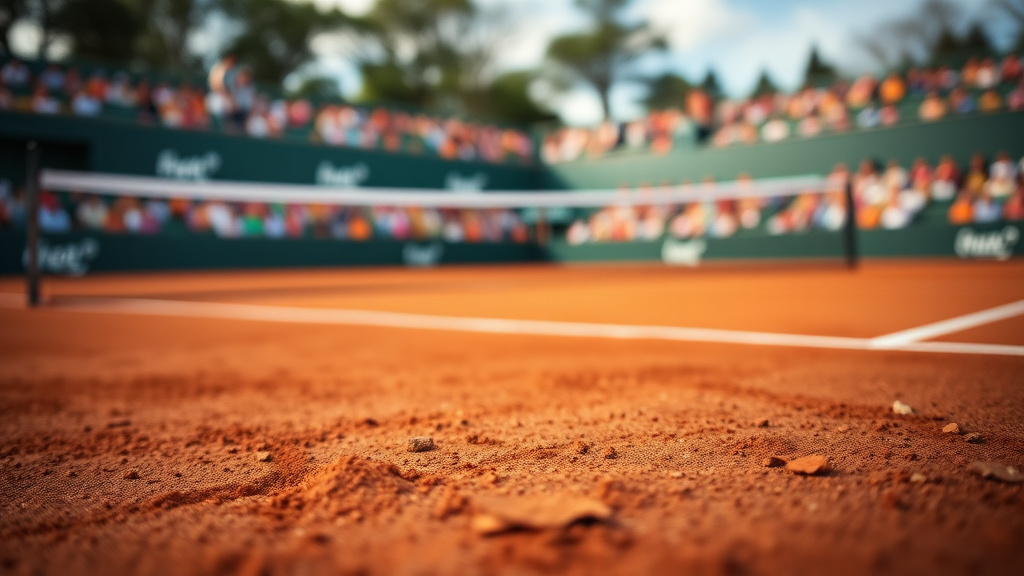
Clay courts are prized for their unique playing characteristics, but preserving them requires professional expertise and consistent effort. Tournament organizers encounter substantial difficulties in maintaining surface standards while managing player safety and competitive benchmarks. This article discusses fundamental care procedures that help professionals improve court conditions, from appropriate moisture management and surface rolling to off-season readiness and surface restoration. By implementing these proven strategies, tournaments can ensure superior playing conditions, extend court lifespan, and enhance the overall competitive experience for athletes.
Essential Clay Court Preparation
Proper clay court readiness commences with grasping the fundamental composition and structure of the playing surface. Tournament organizers must assess soil quality, drainage infrastructure, and existing court conditions before establishing maintenance protocols. This initial assessment ensures that follow-up care activities target particular problem areas and utilize existing strengths. Professional assessment tools and professional guidance help pinpoint compaction issues, moisture imbalances, and court unevenness that could affect player safety or competitive equity. Investing time in comprehensive readiness eliminates costly corrections later and establishes a baseline for tracking progress.
The setup stage also involves establishing a comprehensive upkeep plan tailored to regional weather patterns and tournament frequency. Organizers should document seasonal variations, precipitation trends, and temperature fluctuations that directly impact clay surface behavior. Creating detailed preparation calendars helps coordinate resource allocation, team development, and material procurement. Regular communication between upkeep crews, event organizers, and venue administrators ensures consistent execution of preparation strategies. This collaborative approach strengthens overall court management and enables quick adjustments when unexpected weather or usage patterns emerge during the competition period.
Daily Maintenance Procedures
Regular maintenance is the cornerstone of peak clay court performance and longevity. Tournament operators must create consistent routines that address water content, surface compaction, and debris removal every day. These processes avoid degradation, keep play surfaces uniform, and ensure athlete safety. By investing effort in routine maintenance, courts remain in peak condition during competition periods, decreasing demand for costly repairs and urgent repairs that could interfere with tournament timelines.
Watering and Moisture Control
Proper watering is essential for maintaining clay court condition and performance. Clay courts require regular moisture to avoid cracking, dust formation, and uneven ball bounce. The ideal moisture content generally falls between 8-12%, based on climate conditions and court usage intensity. Morning watering is recommended to permit absorption prior to matches. Tournament organizers should track weather forecasts and adjust watering schedules as needed, reducing frequency during rainy periods and increasing it during hot, dry conditions to maintain optimal playing surface consistency.
Water management goes further than simple watering; it requires careful planning and regular oversight. Courts that are too dry become dusty, hard, and susceptible to cracks, while overly wet surfaces become slippery and difficult to play on. Professionals should use water measurement devices to assess court water content regularly throughout the day. Spot watering may be necessary in high-traffic areas that lose moisture quickly. Proper drainage systems need to function effectively to avoid waterlogging. Regular water management guarantees predictable ball behavior and reduces injury risks associated with unstable playing surfaces.
- Water courts early morning before play begins daily
- Track water content with professional testing equipment regularly
- Modify watering frequency according to weather patterns
- Inspect drainage systems for proper functionality each week
- Spot water high-traffic areas that dry more quickly
Materials and Tools Required
Maintaining clay courts effectively requires allocation of professional-grade tools designed specifically for playing surface maintenance and care. Essential tools include commercial-quality clay rollers, irrigation systems featuring adjustable pressure settings, and drag brooms for surface leveling. Tournament organizers ought to stock clay infill materials, court marking equipment, and drainage maintenance tools. High-quality equipment delivers consistent outcomes and reduces labor time significantly.
Beyond standard care tools, advanced facilities take advantage of specialized machinery such as court surface sweepers, irrigation systems with soil moisture sensors, and commercial-level compaction machinery. Protective gear for maintenance staff, including appropriate shoes and protective devices, is equally important for smooth operations. Purchasing sturdy, dependable equipment avoids expensive downtime during competitive events and ensures peak playing surfaces throughout the playing season.
Seasonal Upkeep Approaches
Seasonal changes demand planned updates to court upkeep procedures. Spring preparation involves comprehensive cleanup, clearing winter debris, and assessing surface integrity following the off-season. Summer calls for more frequent watering and frequent rolling to preserve ideal playing conditions throughout peak tournament season. Fall upkeep focuses on gradual reduction of watering while strengthening court structure. Winter preparation encompasses safeguarding steps such as covering courts and adjusting drainage systems. These seasonal transitions ensure courts stay match-ready year-round while minimizing weather-related damage and surface degradation.
Tournament organizers must establish comprehensive seasonal calendars that align upkeep tasks with tournament timelines and weather conditions. Consistent oversight of soil moisture, temperature variations, and weather predictions enables timely modifications to maintenance protocols. Prioritizing periodic equipment servicing, including roller servicing and irrigation system inspections, prevents significant downtime during key competitive windows. By foreseeing seasonal issues and deploying strategic solutions, organizers can maintain consistent playing surfaces, limit surprise repairs, and demonstrate professional commitment to athlete safety and tournament fairness throughout the full season.
