

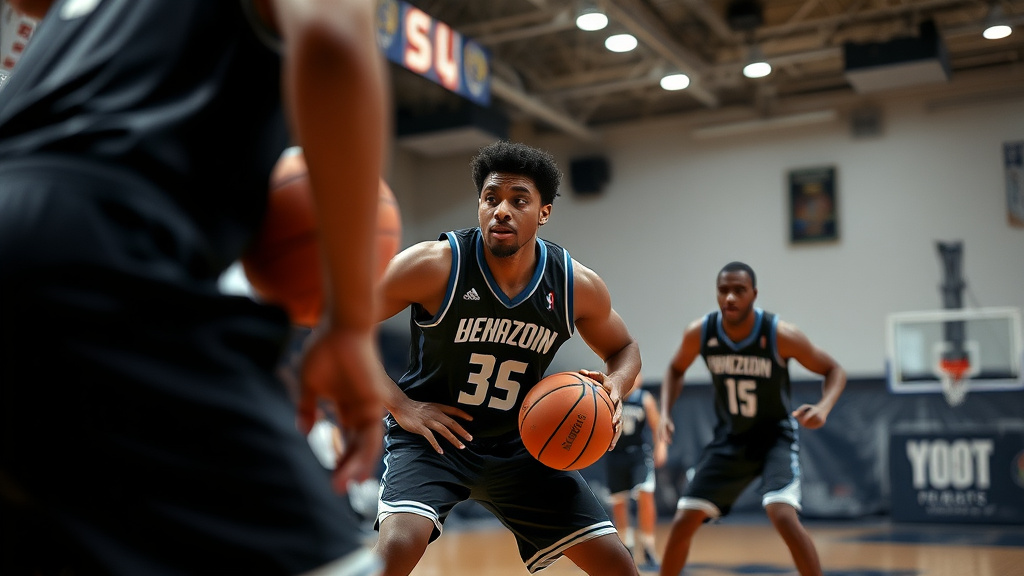
In professional basketball, scoring can grab headlines with spectacular dunks and three-point shots, but defense truly wins championships. This article explores how strategic defensive schemes—from suffocating full-court presses to zone defenses—have changed how the game is played, converting blowouts into nail-biting competitive battles. By examining how championship teams employ innovative defense, how players are positioned, and mind games, we reveal why the game’s most captivating moments often depend on lockdown defense rather than offensive output.
The Development of Defensive Mastery in Today’s Basketball
The landscape of professional basketball defense has experienced a significant transformation over the last 20 years. Teams have moved from conventional one-on-one defense to advanced mixed approaches that combine zone principles with active defensive switches. This progression reflects a deeper understanding of performance data and player positioning, allowing coaches to maximize defensive efficiency while reducing personal weaknesses. Modern defensive schemes now utilize real-time data analysis, allowing teams to capitalize on opposing team vulnerabilities with surgical precision and adapt strategies mid-game.
Contemporary basketball defenses have grown progressively multidimensional, demanding that players develop multiple skill sets simultaneously. Elite defenders in modern play must demonstrate adaptability—capable of covering different areas, defending in space, and contributing to team-oriented schemes rather than depending primarily on individual prowess. The emphasis on outside defense, three-point contestation, and fast-break defense has significantly changed player recruitment and development. This comprehensive approach to elite defense has elevated the competitive intensity of professional basketball, producing games in which defensive execution frequently decides championship outcomes.
Individual Player Defense: The Cornerstone of Team Success
Man-to-man defense represents the cornerstone of basketball’s defensive philosophy, requiring each player to take charge of a specific opponent throughout the game. This basic method demands constant dialogue and physical effort as defenders monitor their assigned players across the court. Elite teams perfect this technique by blending individual accountability with team cohesion, creating a unified defensive wall that interferes with offensive rhythm and forces turnovers. The effectiveness of man-to-man defense lies in its flexibility, enabling coaches to apply various pressure levels while maintaining structural integrity and defensive stability.
The mental dimension of individual defending is critically important, as defenders generate psychological strain through constant pressure and bodily positioning. Players who master this approach develop outstanding foot movement, side-to-side speed, and spatial awareness, enabling them to stay attached to their opponents without fouling. Elite organizations prioritize developing man-to-man proficiency, recognizing that solid one-on-one defending enhances overall team performance exponentially. When executed with precision and intensity, man-to-man defense transforms games into physical contests where each possession is crucial and defensive execution determines ultimate victory.
Zone Defense and Mixed Strategies
Zone defense represents a major change from traditional man-to-man coverage, where defenders protect particular zones rather than particular matchups. This tactical development has fundamentally altered professional basketball by permitting organizations to defend multiple threats at the same time and establish tactical versatility. Contemporary coaching staffs increasingly employ zone defenses to counter three-point shooting, protect paint dominance, and push teams toward difficult shot selections. The intricacy of zone deployments showcases how tactical advancement continues transforming competitive balance and final results.
Learning About Zone Coverage Structures
Zone defense operates on territorial principles where defenders cover designated floor areas instead of following specific players. This approach creates defensive walls that efficiently stop penetration and push teams to shoot from distance. The 2-3 zone, 3-2 zone, and 1-3-1 formations each present unique advantages based on opponent strengths and roster capabilities. Teams deliberately implement zone alignments to capitalize on opponent disadvantages while shielding exposed positions. Understanding zone mechanics offers coaches with tactical flexibility for constructing competitive defensive schemes.
Hybrid defensive systems merge zone and man-to-man principles, creating complex coverage that complicates offensive execution. These complex systems necessitate elite-level teamwork, positioning awareness, and player versatility. Switching defenders between zone and man responsibilities demands high-level defensive comprehension and training. Current league organizations regularly utilize hybrid defenses to combat current scoring strategies and increased perimeter scoring. This defensive evolution demonstrates the sport’s ongoing strategic development and competitive sophistication.
- 2-3 zone safeguards paint while guarding wing shooters
- Three-two formation emphasizes perimeter defense and perimeter shooting protection
- One-three-one formation generates flexible matchup advantages strategically
- Defensive switches confuse decision-making and execution
- Mixed strategies integrate various defensive concepts successfully
