

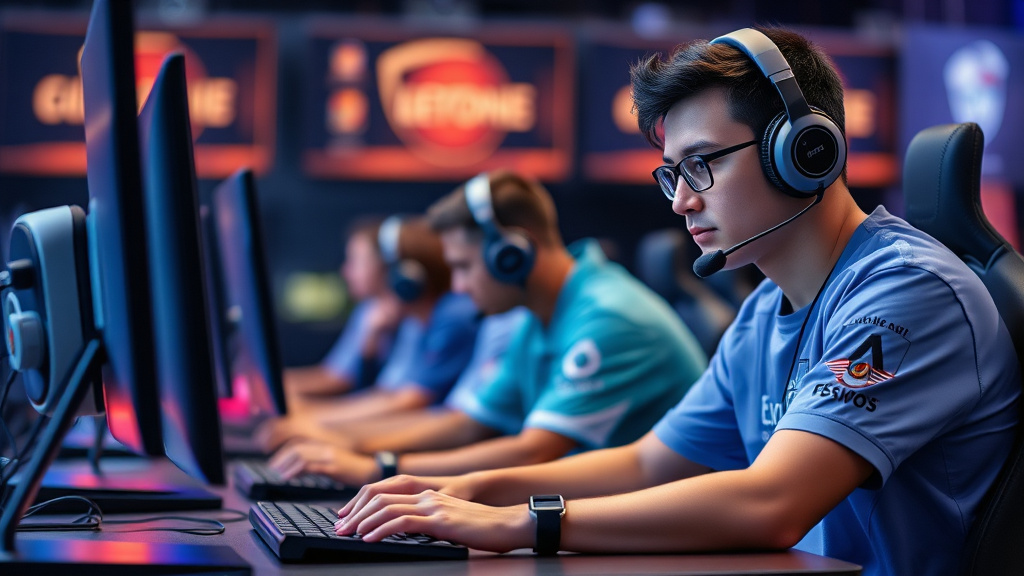
The esports industry is advancing toward a substantial step toward player wellbeing. Major international esports organizations have unveiled a extensive mental health support initiative intended to confront the unique mental health issues facing competitive gamers. Ranging from performance pressure to exhaustion and loneliness, this pioneering program provides mental health counseling, peer support networks, and wellness programs. This article analyzes the initiative’s key features, involved organizations, and its likely influence on redefining psychological support standards across pro esports worldwide.
Overview
The esports industry has arrived at a pivotal point in recognizing mental health as a essential element of player development and organizational success. Major esports organizations worldwide have collectively launched an unprecedented mental health support initiative, acknowledging that competitive gaming introduces distinct mental pressures distinct from traditional sports. This collaborative initiative represents a watershed moment for the industry, signaling a commitment to prioritizing player wellbeing alongside performance metrics and competitive achievements.
The initiative addresses a substantial amount of evidence demonstrating mental health difficulties within the esports community, including depression, anxiety, insomnia, and feelings of isolation among professional players. Many competitors encounter intense performance pressure consistently while handling demanding practice routines, travel demands, and public scrutiny. By establishing robust support networks, organizations aim to create safer, more sustainable environments where players can perform well both competitively and personally, ultimately strengthening the entire esports ecosystem.
This partnership-based approach includes cooperative relationships between esports organizations, mental health professionals, sports psychologists, and wellness experts who collectively designed research-backed interventions customized for gaming professionals’ unique challenges. The program encompasses various support options such as one-on-one therapy, collective health strategies, crisis intervention resources, and learning programs addressing mental resilience. By establishing these diverse initiatives, participating organizations show their dedication to reshaping wellbeing expectations and creating esports as an sector that genuinely values player welfare.
Main Points
The program encompasses a comprehensive support framework designed for esports professionals. Organizations taking part have committed to ensuring access to qualified mental health experts skilled in sports psychology and gaming culture. The program offers individual counseling sessions, group therapy sessions, and crisis intervention services on call 24 hours a day. Additionally, players have access to confidential resources tackling performance-related worry, sleep quality improvement, and stress management methods. This holistic approach understands that mental health support needs to be embedded into the regular professional context to be actually beneficial and reachable by all participants.
Financial contributions from leading esports companies underscore the seriousness of this initiative. Collectively, participating companies have committed millions in funding to set up specialized mental health units within their franchises. These resources will facilitate hiring qualified psychologists, establishing wellness facilities, and developing evidence-based training programs. Organizations understand that prioritizing player psychological health directly correlates with improved performance, team cohesion, and athlete longevity. This financial backing allows the program can continue effectively and expand to support up-and-coming organizations and independent players requiring psychological assistance.
Implementation timelines have been established, with staged deployments commencing at once. The opening phase concentrates on major franchise teams in North America, Europe, and Asia-Pacific regions. Subsequent stages will expand coverage to training squads and grassroots organizations by next year. Each member organization appoints mental health specialists tasked with program administration and competitor representation. Instructional programs for coaching staff, management, and team personnel promote full comprehension of offered support systems. Continuous evaluation and review processes will assess program effectiveness and pinpoint enhancement opportunities throughout the esports ecosystem.
Outlook
The psychological wellness program signals a pivotal moment for the esports industry, signaling a substantial change in how organizations emphasize player wellbeing. As competitive gaming continues to grow rapidly, the recognition of mental health as on par with physical performance establishes a new standard for professional sports. This initiative is expected to encourage grassroots teams and local competitions to implement comparable initiatives, generating a ripple effect throughout the global esports ecosystem. The success of this collaborative effort will likely demonstrate that prioritizing mental health directly correlates with better athlete outcomes and player retention.
Looking ahead, experts anticipate that this initiative will develop to encompass cutting-edge capabilities such as AI-powered mental health monitoring, tailored wellness programs, and connection to esports training facilities. The initiative’s data gathering will offer important understanding into the specific mental health challenges facing diverse gaming groups and performance brackets. Industry players are investigating collaborations with prominent mental wellness organizations and academic facilities to ensure the initiative remains research-supported and continuously improved. These advances promise to position esports as a leader in mental wellness support for athletes across all professional athletics.
The long-term vision transcends individual player support to fundamental cultural shift within esports. By establishing mental health dialogue as routine and decreasing negative perception, this initiative prompts competitors at all levels to access support when needed. As the program spreads worldwide, it will likely shape academic programs offering esports scholarships and emerging competitive athletes entering the competitive scene. Ultimately, this push for comprehensive mental health support may transform the concept to be a professional athlete in the digital age, establishing esports as an industry that genuinely cares for its players’ total welfare.
