

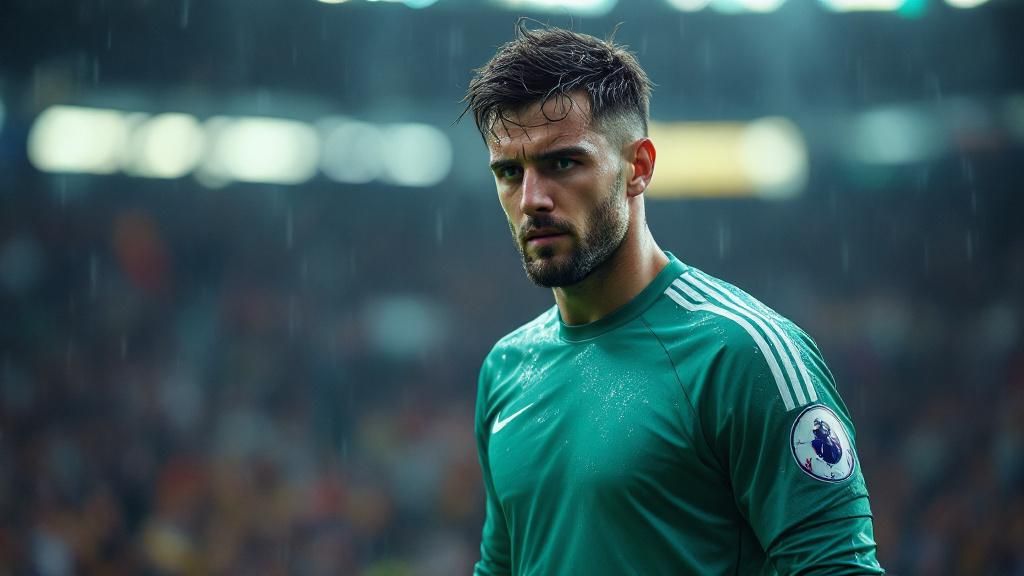
Tottenham Hotspur’s managerial crisis deepened on Wednesday as temporary manager Igor Tudor suffered his fourth straight loss, a crushing 5-2 defeat to Atletico Madrid in the Champions League round of 16. The Croat’s time in charge has become progressively difficult after just four games in charge, following his hiring to replace Thomas Frank. With ex-boss Mauricio Pochettino watching from the stands in Madrid, Spurs’ leadership faces growing pressure to make a further emergency coaching change. Tudor’s catastrophic start—the worst by any Tottenham manager in recent history—has put the club’s European ambitions in tatters and raised major concerns about whether his appointment was a terrible mistake by the club’s leadership team.
A Disastrous Start in Madrid
The opening 23 minutes at the Metropolitano were among the most disastrous Tottenham has endured in recent memory. Goalkeeper Antonin Kinsky, handed his debut ahead of established first-choice Guglielmo Vicario, handed Atletico Madrid two goals within minutes through calamitous errors. The 22-year-old’s missteps allowed Marcos Llorente and Julian Alvarez to capitalize with embarrassing simplicity, setting the tone for a disastrous display. Defender Micky van de Ven compounded the misery by also losing his footing, presenting Antoine Griezmann with a third goal as Atletico raced to 4-0 without breaking a sweat.
Tudor’s response was quick and harsh—substituting Kinsky after just 17 minutes in a frantic bid to stop the hemorrhaging. Yet the damage was irreversible, with Spurs’ defensive weakness and personal errors already having derailed their European pursuit. The final scoreline of 5-2 makes the second leg a foregone conclusion, leaving Tottenham battling for survival rather than progression. This was Spurs’ season summarized: self-destructive, mistake-laden, and fundamentally broken under Tudor’s management.
- Kinsky allowed two goals through individual errors in early stages
- Van de Ven’s mistake presented Griezmann with a third goal
- Atletico achieved 4-0 without requiring an above-average performance
- Second leg now a formality with European hopes essentially over
The Kinsky Substitution Controversy
Igor Tudor’s choice to withdraw goalkeeper Antonin Kinsky after just 17 minutes marked one of the most remarkable moves in modern football management. The young goalkeeper’s catastrophic errors—two damaging lapses that directly led to goals from Marcos Llorente and Julian Alvarez—left Tudor with few alternatives but to act decisively. Yet the manner of the substitution, withdrawing a player so early in a European tie, underscored the disorder affecting Tottenham’s season and raised uncomfortable questions about the club’s selection strategy in selecting Kinsky ahead of established first-choice Guglielmo Vicario.
While Tudor’s quick decision revealed a readiness to fix mistakes in immediately, it also exposed the underlying difficulties plaguing Spurs on his watch. The substitution served as a microcosm of the entire effort—reactive rather than proactive, stemming from desperation rather than deliberate strategy. Kinsky’s troubled opening match, worsened by the manager’s dramatic decision, only deepened the feeling of turmoil consuming the club as they surrendered meekly to Atletico Madrid in the presence of their traveling supporters.
A Unusual and Severe Call
Removing a goalkeeper after 17 minutes is almost unprecedented in top-level football, a choice that underscores both the severity of Kinsky’s lapses and the dire straits of Tudor’s circumstances. The young player’s personal errors—not strategic shortcomings or structural problems, but pure calamitous errors—left the temporary boss with no other choice. By effecting the swap, Tudor at least showed he would refuse to permit substandard play to worsen, even if the symbolic message was detrimental to squad morale.
Yet the substitution also underscored the precarious position of Tudor himself. His arrival was meant to provide instant stability and stability into Tottenham’s season, but instead he found himself taking hasty action within minutes of kickoff. The stark manner of removing Kinsky so publicly illustrated the chaos engulfing the club and prompted concerns about whether Tudor had the composure and judgment required to navigate such challenging moments successfully.
- 17-minute substitution almost unheard of in professional soccer coaching
- Decision indicated desperation rather than tactical flexibility or planning
- Public nature of change hurt team morale and revealed organizational dysfunction
Squad Confidence and Management Disconnect
The disastrous opening 23 minutes against Atletico Madrid exposed far more than just individual errors—it laid bare a deep divide between manager and players at Tottenham. When a squad gives up four goals before the 30-minute mark, the root problem extends far beyond tactical arrangement or momentary lapses in concentration. The players appeared disorganized, lacking cohesion, and seemingly uncertain of their roles within Tudor’s system. This team-wide malfunction points to that the interim manager’s message has failed to resonate with the dressing room, or worse, that the players have already started to mentally disengage under his stewardship.
The substitution of Kinsky after 17 minutes, while required, inadvertently signaled a absence of confidence in the squad’s ability to recover from adversity. Rather than motivating the team, the abrupt alteration appeared to discourage them further, as if the manager himself had abandoned hope of rescuing the situation. With four straight losses and a European elimination looming, the mental strain on the players is evident. The confidence that might have helped Spurs navigate difficult moments has vanished altogether, replaced by a palpable sense of fear and uncertainty that saturates every aspect of their play.
| Metric | Current Status |
|---|---|
| Consecutive Defeats Under Tudor | 4 matches |
| Goals Conceded in Opening 23 Minutes vs Atletico | 4 goals |
| Worst Start Record in Club History | Confirmed |
| Squad Morale Assessment | Critically Low |
| European Tie Status | Effectively Over |
What Players Are Saying
Behind closed doors, Tottenham’s players are reportedly finding it hard to express confidence in Tudor’s methods or vision for the club. The quiet from the locker room speaks volumes—there are no outward signs of unity, no calls to action of defiance, no sense that the squad believes a turnaround is possible under the existing leadership. When players lose trust in their manager, particularly after such a humiliating defeat, recovery becomes significantly difficult. The disconnect between Tudor and his squad has grown into a chasm that appears increasingly difficult to bridge.
The Board’s Predicament and Next Steps
Tottenham’s hierarchy now faces an unenviable choice: stick with Tudor in the hope that a significant improvement materializes, or acknowledge failure and seek another managerial change mid-season. The choice carries substantial weight, as every defeat compounds damage to the club’s reputation and compounds the mental toll inflicted on the playing squad. With European exit all but certain and league position worsening quickly, the opportunity for corrective action is rapidly closing. The board must weigh the costs of a further managerial change against the reality that Tudor’s current path leads only to deeper into turmoil.
Financial considerations and reputational damage will significantly shape the board’s thinking. Sacking another manager shortly following appointing Tudor sends a troubling message about the club’s planning and stability. Yet allowing the situation to fester unchecked risks further alienating supporters and destabilizing the dressing room completely. The Tottenham hierarchy must act decisively, whether that means supporting Tudor through reinforcements and tactical adjustments or recognizing that his appointment was a poor decision demanding immediate correction. Time is slipping away for decisive action.
- Tudor’s four straight winless run marks poorest beginning in Spurs history
- European tournament run essentially concluded after 5-2 thrashing by Atletico Madrid
- Squad confidence critically damaged, players reportedly losing confidence in manager
- Board faces urgent choice between backing Tudor or seeking replacement
The Looming Figure of Pochettino
The irony is not lost on anyone watching from the sidelines at the Metropolitano: Mauricio Pochettino, Tottenham’s previous boss, watched his successor’s disastrous showing unfold in person. Pochettino, who built the foundation for Spurs’ recent success and fostered a winning culture within the club, represents a different approach of steadiness and expertise. His time in Madrid functioned as an stark reminder of what the club has sacrificed—a manager who grasped the club’s identity, commanded respect from the dressing room, and had the tactical expertise to navigate difficult periods. The difference between Pochettino’s time in charge and Tudor’s catastrophic beginning could not be starker.
Whether Pochettino could be convinced to rejoin stays speculative, but his accessibility and knowledge with the club make him an obvious candidate were the board to sever ties with Tudor. The previous Spurs leader grasps the squad’s strengths and weaknesses, maintains strong connections with important squad members, and could restore confidence through his established success. However, targeting Pochettino after so brief a Tudor stint risks seeming knee-jerk and panicked. The board must thoroughly evaluate whether a second Pochettino period represents genuine progress or simply crisis management hiding fundamental organizational challenges.
